Meet the Species Found in Hebridean Waters
A Wild Coast on Our Doorstep
Scotland's west coast is one of the richest marine habitats in Europe. Where the Atlantic Ocean meets the sheltered sea lochs and Hebridean islands, cold, nutrient-rich currents support an extraordinary web of life. That abundance draws in some of the most impressive animals on the planet: whales, dolphins and porpoises.
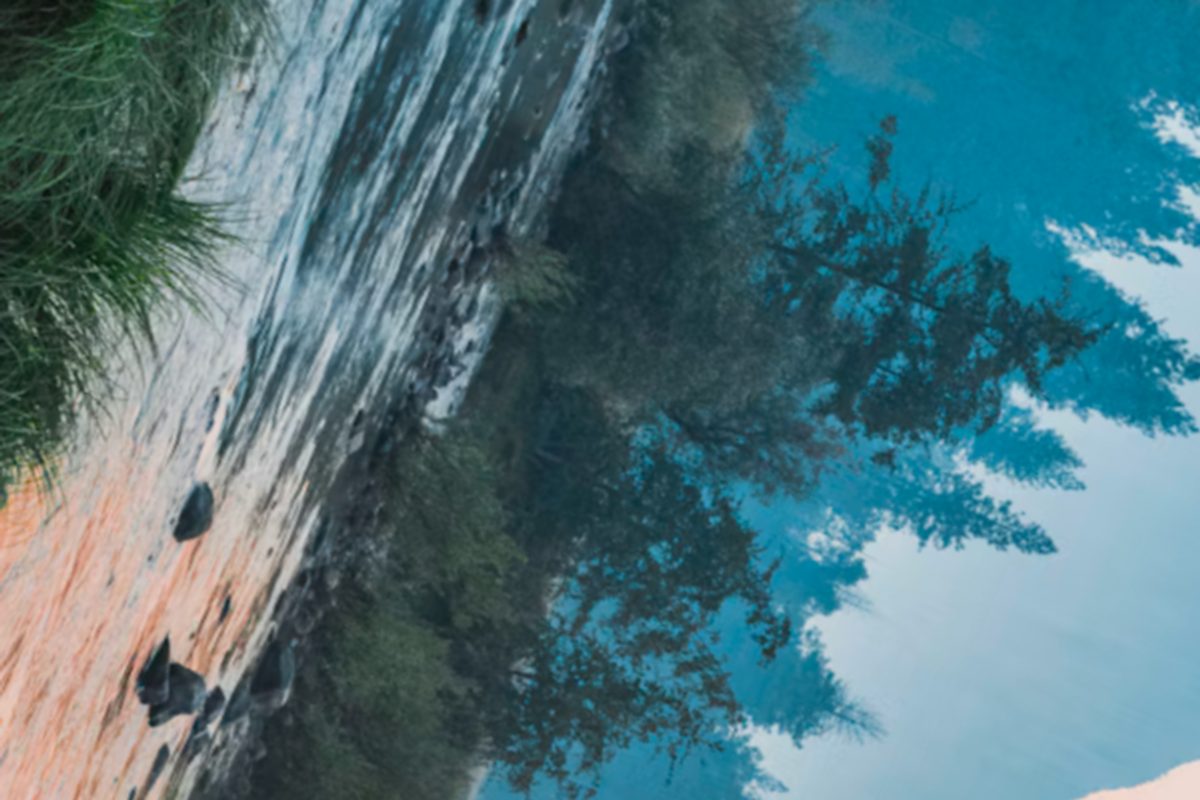
The Hebrides are not a single destination but a vast seascape stretching from the Inner Hebrides near Mull and Islay out to the Outer Hebrides, St Kilda and beyond. For anyone who loves wildlife, it is a place where a quiet ferry crossing can suddenly become unforgettable.
Meet the Resident Dolphins
The most familiar faces in these waters are bottlenose dolphins. A small, resident population lives around the Inner Hebrides, and individuals are recognisable by their curved, nicked dorsal fins. They are powerful, playful and highly social, often travelling in small groups.
Common dolphins are also seen, especially in summer, when large schools chase mackerel and herring. They are fast, acrobatic and often bow-ride boats. Harbour porpoises are far more modest in size but are our smallest and most frequently encountered cetacean, usually appearing as a brief, dark roll at the surface.
The Great Whales of the Hebrides
Minke whales are the whales most often seen from ferries and headlands between April and October. Curious and usually solitary, they surface with a sharp, pointed snout and a small dorsal fin. Humpback whales are increasingly recorded too, sometimes breaching clear of the water or lifting their huge tail flukes before a deep dive.
Further offshore, the continental shelf edge brings in true ocean giants. Fin whales, the second-largest animals on Earth, and even blue whales have been recorded in Hebridean waters. Sightings are rare, which makes every report valuable to researchers.
What You Might Spot and When
Use this quick guide to plan a responsible wildlife trip. Remember that sightings are never guaranteed, and whales and dolphins are wild animals that we must never chase or crowd.
| Species | Best Season | Typical Habitat |
|---|---|---|
| Harbour porpoise | All year | Coastal channels and sounds |
| Bottlenose dolphin | All year | Inner Hebridean coasts |
| Common dolphin | Summer | Open sea and shelf waters |
| Minke whale | April to October | Sea lochs and coastal shelf |
| Humpback whale | Autumn and winter | Offshore and island passes |
Other possible encounters include white-beaked dolphins, Risso's dolphins and orcas, particularly around the north and west. Every record helps build a clearer picture of how these populations use Scottish waters.
How to Watch Them Well
Responsible watching protects animals and improves your own experience. Follow the Scottish Marine Wildlife Watching Code and give cetaceans plenty of space, especially when calves are present.
- Keep a steady course and speed, and never pursue a group.
- Let whales and dolphins approach you, not the other way around.
- Limit time with any one animal to around fifteen minutes.
- Report your sightings to a recognised recording scheme.
Here is how to turn a chance encounter into useful citizen science:
- Note the date, time and exact location.
- Record the species, group size and behaviour.
- Photograph dorsal fins or flukes for identification.
- Submit your record to the relevant local group.
"Every sighting tells us something new about the whales and dolphins of the Hebrides."
Help Us Learn More
Whale and Dolphin Conservation works to understand and protect these animals across the UK. Sightings from the public, ferry crews and wildlife operators all feed into that effort and help identify important areas for conservation.
Next time you stand on a Hebridean shore or sail between the islands, keep your eyes on the water. You may be the first to spot a fin, a fluke or a splash, and your report could help secure a future for these remarkable species.